
Beryllium: Comprehensive Scientific, Toxicological & Regulatory Reference | Research Chemical Shop
Beryllium: A Comprehensive Scientific, Toxicological and Regulatory Reference
Compliance Disclaimer: This article is provided for educational and scientific reference purposes only. The compounds discussed are not medicines, foods, cosmetics, or consumer products and are not intended for human or animal consumption. Nothing on this page constitutes medical, legal, or purchasing advice. Laws vary by jurisdiction; readers are responsible for compliance with local regulations. If you are experiencing a medical emergency, contact your local emergency services immediately.
Introduction
Beryllium is a lightweight, high-melting-point alkaline earth metal with the symbol Be, atomic number 4, and CAS Registry Number 7440-41-7. It occupies a unique position among industrial materials: its stiffness-to-weight ratio, dimensional stability, neutron moderation and X-ray transparency make it indispensable in aerospace, nuclear, defence and medical technologies. At the same time, beryllium is a confirmed human carcinogen and the causative agent of chronic beryllium disease (CBD), a granulomatous lung disorder that can develop after inhalation of airborne particles, fumes or mists. The metal and its compounds are therefore subject to stringent occupational exposure limits, hazard communication requirements and waste-management rules across the European Union, the United Kingdom and the United States.
This reference entry provides a structured overview of beryllium for laboratory professionals, occupational hygienists, materials scientists, and compliance officers. It covers chemical and physical properties, historical development, toxicological mechanisms including beryllium sensitisation, industrial and laboratory applications, analytical detection methods, regulatory status by jurisdiction, and a full SDS-style safety section with exposure limits, PPE and disposal guidance. No dosage or therapeutic information is provided. Readers should consult institutional safety officers and national competent authorities before handling beryllium or beryllium-containing materials.
Last reviewed: 3 November 2026
Key Takeaways
· Chemical identity: Beryllium is an alkaline earth metal with CAS 7440-41-7, atomic weight 9.012, density 1.85 g·cm⁻³, and melting point approximately 1,287 °C.
· Toxicological hazard: Inhalation of beryllium particles, fumes or mists can cause beryllium sensitisation and chronic beryllium disease (CBD); beryllium is classified as IARC Group 1 and ACGIH A1 (confirmed human carcinogen).
· Exposure limits: OSHA PEL is 0.2 µg/m³ as an 8-hour TWA with a 2.0 µg/m³ STEL; the EU binding OEL is 0.0002 mg/m³ from 2026 after a transitional 0.0006 mg/m³; the UK WEL is 0.002 mg/m³ (8-hour TWA).
· Regulatory status: Beryllium is CLP Carc. 1B, is not an SVHC under REACH, and is restricted under REACH Annex XVII Entry 28 for supply to the general public; it is listed on the TSCA Inventory in the US.
· Analytical methods: ICP-MS is the most sensitive technique for ultra-trace beryllium; ETAAS and FAAS are alternatives; ISO 16965:2025 specifies ICP-MS for environmental solid matrices.
· Safety: Full SDS-style controls are required, including local exhaust ventilation, HEPA filtration, respiratory protection, protective clothing, and disposal as hazardous waste (RCRA waste number P015 in the US).
· No consumer use: Beryllium and its compounds are industrial and laboratory materials, not medicines, foods, cosmetics or consumer products.
What Is Beryllium?
Beryllium is a divalent alkaline earth metal in Group 2 of the periodic table. In its bulk metallic form it is grey-white, hard and brittle, with a close-packed hexagonal crystal structure. It is notably stiff and light: its density is approximately 1.85 g·cm⁻³, about two-thirds that of aluminium, while its elastic modulus is substantially higher than that of steel. Beryllium is resistant to attack by dilute acids because a thin oxide film forms spontaneously on its surface, but it reacts with strong acids, alkalis and oxidising agents under appropriate conditions.
Chemical Identity and Nomenclature
Beryllium was historically called “glucinium” because its salts have a sweet taste, a name still encountered in older literature. The element is monoisotopic in practice, with ⁹Be accounting for essentially all natural abundance. Its chemistry is dominated by the Be²⁺ ion, which is small and highly polarising, giving beryllium compounds a pronounced tendency toward covalent character and hydrolysis.
Identifier Value
Element symbol: Be
Atomic number: 4
CAS Registry Number: 7440-41-7
Atomic weight: 9.0122
Density: 1.85 g·cm⁻³
Melting point: 1,287 °C (2,349 °F)
Boiling point: 2,468 °C (4,474 °F)
Electron configuration: [He] 2s²
Group / period: Group 2 / Period 2
Crystal structure: Close-packed hexagonal
Synonyms and Related Terms
Beryllium metal, beryllium powder, beryllium oxide (BeO), beryllium hydroxide, beryllium fluoride, beryllium chloride, and copper-beryllium alloys are the principal commercial forms. In regulatory and toxicological literature, the term “beryllium and beryllium compounds (as Be)” is used to express exposure limits and analytical results on a common elemental basis. The distinction between soluble and insoluble beryllium compounds is important because solubility influences bioavailability, sensitisation potential and analytical digestion strategy.
Chemistry and Physicochemical Properties
Beryllium’s properties arise from its small atomic radius, high charge density and strong interatomic bonding. The metal has a high specific stiffness, excellent dimensional stability under thermal cycling, and good thermal conductivity. Beryllium oxide (BeO) is an electrically insulating ceramic with thermal conductivity approaching that of some metals, which makes it valuable in electronics and high-power radio-frequency components.
Table: Physicochemical Properties of Beryllium and Beryllium Oxide
| Property | Beryllium metal | Beryllium oxide (BeO) |
|---|---|---|
| Appearance | Grey-white, hard, brittle solid | White ceramic |
| Density | 1.85 g·cm⁻³ | ~3.00 g·cm⁻³ |
| Melting point | 1,287 °C | ~2,570 °C |
| Thermal conductivity | ~200 W·m⁻¹·K⁻¹ | ~300 W·m⁻¹·K⁻¹ at room temperature (second only to diamond among electrical insulators) |
| Electrical behaviour | Conductive metal | Electrical insulator |
| Solubility | Insoluble in water; soluble in acids with oxide film disruption | Sparingly soluble; requires aggressive digestion for analysis |
| Hazard note | Inhalation hazard as dust, fume or mist | Inhalation hazard as dust; volatile at very high temperature |
Reactivity and Stability Considerations
Beryllium is passivated by a thin oxide layer and is therefore relatively inert in bulk form at ambient temperature. However, machining, grinding, welding, melting and powder handling generate airborne particles that can be inhaled. Beryllium is incompatible with strong oxidisers, acids, caustics, chlorinated hydrocarbons and molten lithium, and fires involving beryllium can produce toxic fumes. The metal is non-combustible in bulk but presents a slight explosion hazard as a powder or dust.
History and Discovery
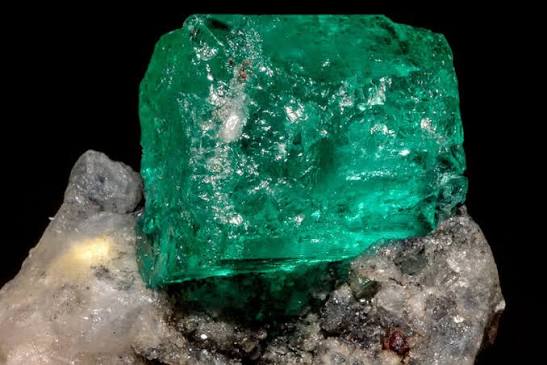
Beryllium was identified as an oxide in 1797–1798 by the French chemist Louis-Nicolas Vauquelin, who analysed beryl and emerald and recognised a new earth. Metallic beryllium was first isolated independently in 1828 by Friedrich Wöhler in Berlin and Antoine-Alexandre-Brutus Bussy in Paris, using potassium reduction of beryllium chloride. The element remained a laboratory curiosity for much of the nineteenth century because of the difficulty of producing it in pure form and its unfamiliar properties.
From Laboratory Curiosity to Strategic Material
Industrial demand emerged in the 1930s and 1940s, when the aerospace, defence and nuclear sectors began to exploit beryllium’s low density, high stiffness and neutron properties. Beryllium was critical to the development of nuclear weapons and reactors during the Cold War, and it became a strategic and critical material in the United States because of its role in national-security technologies. The US Geological Survey has reported that a single mine at Spor Mountain, Utah, produced more than 85 percent of the beryllium mined worldwide in 2010, with China producing most of the remainder. National stockpiles and recycling also contribute to supply.
Recognition of Health Effects
The severe pulmonary effects of beryllium exposure were recognised in the mid-twentieth century among workers in fluorescent-lamp manufacturing, nuclear facilities and beryllium extraction plants. Acute beryllium disease, a pneumonitis-like illness after high-level exposure, is now rare where controls are in place. Chronic beryllium disease, a granulomatous lung disorder mediated by cell-mediated immunity, became the principal occupational health concern and remains the basis for modern exposure limits and medical surveillance programmes.
Research and Scientific Literature Overview
The scientific literature on beryllium spans materials science, occupational medicine, immunology, and analytical chemistry. This section summarises mechanistic and toxicological findings without providing medical or dosage guidance.
Chronic Beryllium Disease and Sensitisation
Chronic beryllium disease is a granulomatous lung disorder that develops in a subset of exposed individuals who become sensitised to beryllium. Sensitisation is detected by the beryllium lymphocyte proliferation test (BeLPT), which measures the proliferation of blood lymphocytes challenged with a soluble beryllium salt. Beryllium sensitisation alone produces no clinical symptoms, but it is considered essential for the development of CBD. Cross-sectional studies have reported sensitisation in approximately 1–10% of exposed workers, with CBD diagnosed in a variable proportion of sensitised individuals. The OSHA standard defines a confirmed positive BeLPT result and requires medical surveillance for workers exposed at or above the action level.
Immunogenetic Susceptibility: HLA-DPB1 Glu69
The immunology of CBD is strongly linked to genetic susceptibility at the HLA-DPB1 locus. Alleles carrying a glutamic acid residue at position 69 of the β-chain (Glu69) confer increased risk of beryllium sensitisation and CBD. Beryllium is thought to act as a hapten or neoantigen, altering peptide presentation by HLA-DP molecules and triggering a beryllium-specific T-cell response. The Glu69 marker is not specific for CBD, but it is the most consistently replicated genetic risk factor and is used in research on exposure–genotype interactions.
Carcinogenicity
Beryllium and beryllium compounds are classified as IARC Group 1 (carcinogenic to humans) and ACGIH A1 (confirmed human carcinogen), with lung cancer as the principal cancer site. The EU CLP Regulation classifies beryllium metal, beryllium compounds and beryllium oxide as Carcinogens 1B. NIOSH considers beryllium a potential occupational carcinogen and recommends that exposure be controlled to the lowest feasible level. The carcinogenic mechanism is not fully resolved, but chronic inflammation, genotoxicity and impaired DNA repair in the context of CBD are plausible contributing pathways.
Research Gaps and Methodological Considerations
Important gaps remain in understanding the dose–response relationship for sensitisation, the role of particle size and solubility, and the effectiveness of medical surveillance in preventing progression to CBD. Research is also needed on bystander exposure, take-home contamination, and the health risks of new beryllium-containing materials. Analytical method development continues to focus on lower detection limits, matrix-specific validation and speciation of soluble versus insoluble forms.
Industrial and Laboratory Applications
Beryllium’s combination of low density, high stiffness, dimensional stability and nuclear properties underpins a range of specialised applications. Most industrial use is as copper-beryllium alloys or as beryllium oxide ceramics, with pure beryllium metal reserved for demanding aerospace, nuclear and defence applications.
Aerospace and Defence
Beryllium is used in aerospace structures, satellite components, missile guidance systems, and military infrared countermeasure devices because of its high specific stiffness and low thermal expansion. It is also used in fusion reactor research and in nuclear devices for defence applications. These uses are governed by export controls and national-security regulations in many jurisdictions.
Nuclear Technology
Beryllium is an effective moderator and reflector of neutrons because of its low atomic mass and favourable scattering cross-section. It is used in nuclear reactors and in neutron sources, where alpha particles from a radioisotope interact with ⁹Be to produce neutrons. Beryllium’s neutron multiplication and moderation properties also make it relevant to fusion research and to the construction of nuclear devices.
Copper–Beryllium Alloys
Copper–beryllium alloys, typically containing around 2% beryllium, combine high strength and hardness with good electrical and thermal conductivity. They are used in springs, electrical connectors, non-sparking tools, moulds, and precision instruments. The beryllium content is sufficient to trigger occupational exposure controls during machining, grinding and welding, even though the alloy is a solid article in normal use.
Beryllium Oxide Ceramics and Electronics
Beryllium oxide ceramics provide electrical insulation with thermal conductivity second only to diamond among insulating materials, dissipating nearly 300 W·m⁻¹·K⁻¹ at room temperature. They are used in high-power radio-frequency components, semiconductor packaging, laser bores and microwave devices. Beryllium is also used in X-ray windows because it transmits X-rays far better than aluminium, and in medical imaging equipment.
Laboratory and Analytical Uses
Beryllium is used as an atomic absorption and ICP standard, as a reference material for method validation, and in the preparation of beryllium-containing alloys and ceramics for materials research. Laboratory work with beryllium powders, turnings or soluble salts requires the same containment and exposure controls as industrial operations. Analytical laboratories should use closed digestion systems, HEPA-filtered enclosures and appropriate PPE when preparing beryllium-containing samples.
Analytical Detection and Testing Methods
The determination of beryllium in workplace air, environmental samples, biological fluids and materials requires sensitive spectrometric techniques. Method selection depends on the matrix, the required detection limit and the regulatory context. Occupational air monitoring typically targets the respirable or inhalable fraction, while environmental and geological samples require total digestion.
Inductively Coupled Plasma Mass Spectrometry (ICP-MS)
ICP-MS is the most sensitive technique for ultra-trace beryllium analysis and is widely used for air filters, water, soil digests and biological samples. It offers low detection limits, broad linear range and multi-element capability. ISO 16965:2025 specifies ICP-MS for the determination of beryllium and other elements in aqua regia, nitric acid or mixed-acid digests of environmental solid matrices. For workplace air, cellulose filters are commonly used for sampling, followed by acid extraction or digestion and ICP-MS analysis.
Electrothermal Atomic Absorption Spectrometry (ETAAS) and Flame AAS
Electrothermal atomic absorption spectrometry (ETAAS, also called graphite-furnace AAS) provides good sensitivity for beryllium in air filters and biological matrices and is often used as an alternative to ICP-MS. Flame atomic absorption spectrometry (FAAS) is suitable for higher beryllium concentrations but has higher detection limits; preconcentration techniques can extend its applicability. A French INRS study concluded that cellulose supports with ICP-MS or ETAAS analysis are appropriate for detecting small quantities of beryllium in workplace air, particularly if the 8-hour TWA is reduced to 0.05 µg·m⁻³ or lower.
Laser Ablation ICP-MS and Speciation
Laser ablation ICP-MS (LA-ICP-MS) has been used for spatially resolved determination of beryllium in minerals such as beryl, with ablation spot sizes as small as 13 µm. This technique is valuable for geological and materials research but is not a routine compliance method. Speciation of soluble versus insoluble beryllium compounds is an active research area because solubility influences bioavailability and sensitisation potential; sequential extraction and size-fractionated sampling are used in research settings.
Table: Comparison of Beryllium Analytical Methods
| Method | Typical application | Detection capability | Strengths | Limitations |
|---|---|---|---|---|
| ICP-MS | Air filters, water, soil, biological matrices | Ultra-trace; low ng·L⁻¹ range | High sensitivity, multi-element, wide linear range | Costly instrumentation; matrix effects; requires skilled operation |
| ETAAS | Air filters, biological samples | Trace; µg·L⁻¹ range | Good sensitivity; lower cost than ICP-MS | Slower throughput; matrix interference |
| FAAS | Higher-concentration samples, alloys | mg·L⁻¹ range | Simple, robust, low cost | Insufficient sensitivity for ultra-trace work |
| LA-ICP-MS | Minerals, solid materials, spatially resolved analysis | Spatially resolved trace analysis | Minimal sample preparation; spatial information | Not routine for compliance; quantification challenges |
Quality Control and Reference Materials
Analytical laboratories should use certified reference materials, matrix spikes, duplicates and blank correction to verify method performance. Because beryllium is a common contaminant in dust and some reagents, blank control is critical at ultra-trace levels. Laboratories participating in occupational hygiene or environmental monitoring should take part in proficiency testing schemes and verify their limits of quantification against the applicable exposure limit or regulatory threshold.
Legal Status by Jurisdiction
Beryllium is not a controlled substance under international narcotics conventions. It is regulated as an industrial chemical, a carcinogen and an occupational hazard. The table below summarises the principal frameworks relevant to laboratory professionals, manufacturers and importers.
Table: Regulatory Status by Jurisdiction
| Jurisdiction | Occupational exposure limit | Chemical / product regulation | Key instruments |
|---|---|---|---|
| European Union | Binding OEL: 0.0002 mg/m³ (8-h TWA, inhalable fraction) from 11 July 2026; transitional 0.0006 mg/m³ until that date | CLP Carc. 1B; REACH registered; not an SVHC; Annex XVII Entry 28 restricts supply to the general public; included in Carcinogens and Mutagens Directive | REACH (EC) 1907/2006; CLP (EC) 1272/2008; Directive 2004/37/EC as amended by 2019/983 |
| Netherlands / Belgium | EU binding OEL applies; national enforcement | EU REACH/CLP directly applicable; national occupational safety rules | Dutch/Belgian competent authorities; EU regulations |
| United Kingdom | WEL 0.002 mg/m³ (8-h TWA) under EH40/2005 | GB CLP; UK REACH; COSHH applies | COSHH 2002 (as amended); EH40/2005 (4th ed., 2020) |
| United States | OSHA PEL 0.2 µg/m³ (8-h TWA); STEL 2.0 µg/m³; action level 0.1 µg/m³; NIOSH REL 0.0005 mg/m³; IDLH 4 mg/m³ | TSCA Inventory; RCRA waste number P015; OSHA 29 CFR 1910.1024 | OSH Act; 29 CFR 1910.1024; TSCA; RCRA |
European Union
In the EU, beryllium is registered under REACH and classified under CLP as a Carcinogen 1B. It is not on the SVHC Candidate List and is not subject to REACH authorisation, but Annex XVII Entry 28 restricts the supply of beryllium metal and beryllium oxide to the general public. Professional uses are not restricted under REACH. The Carcinogens and Mutagens Directive (2004/37/EC), as amended by Directive (EU) 2019/983, sets a binding occupational exposure limit of 0.0002 mg/m³ (inhalable fraction, 8-hour TWA) from 11 July 2026, with a transitional limit of 0.0006 mg/m³ until that date. Beryllium is also addressed under the RoHS framework, although it was not recommended for restriction following the 2020 substance review.
Netherlands and Belgium
The Netherlands and Belgium apply EU REACH and CLP directly. The EU binding OEL for beryllium applies through national transposition of the Carcinogens and Mutagens Directive. National labour inspectorates enforce occupational exposure limits, and national REACH enforcement authorities oversee registration and restriction compliance. Beryllium is not scheduled under the Dutch Opium Act or Belgian narcotics legislation. Laboratories and manufacturers should verify national requirements for medical surveillance, exposure registers and waste disposal.
United Kingdom
The UK applies GB CLP and UK REACH following withdrawal from the EU. The workplace exposure limit for beryllium in EH40/2005 is 0.002 mg/m³ as an 8-hour TWA, expressed as beryllium. The Control of Substances Hazardous to Health Regulations 2002 (COSHH) require employers to assess and control exposure, provide health surveillance where appropriate, and maintain exposure records. The HSE has published guidance for people who work with beryllium and its compounds, covering short-term and long-term health effects and control measures.
United States
In the US, beryllium is regulated by OSHA under 29 CFR 1910.1024 for general industry. The standard establishes a permissible exposure limit of 0.2 µg/m³ as an 8-hour TWA and a short-term exposure limit of 2.0 µg/m³ over 15 minutes, with an action level of 0.1 µg/m³. It requires exposure assessment, regulated areas, engineering and work-practice controls, respiratory protection, protective clothing and equipment, medical surveillance, training, and recordkeeping. NIOSH recommends a REL of 0.0005 mg/m³ (not to be exceeded) and an IDLH of 4 mg/m³. Beryllium is listed on the TSCA Inventory, and beryllium-bearing waste is assigned RCRA waste number P015 in EPA documentation. The US Geological Survey classifies beryllium as a strategic and critical material.
Safety, Hazards and Handling
Beryllium is a potent occupational sensitiser and carcinogen. The primary route of concern is inhalation of airborne dust, fumes, mists or solutions containing beryllium. This section provides SDS-style hazard identification and control guidance for laboratory and industrial settings. It does not provide medical treatment advice; suspected exposures should be evaluated by a qualified occupational health professional.
Hazard Identification and GHS Classification
Beryllium metal, beryllium compounds and beryllium oxide are classified under CLP as Carcinogens 1B and are also classified as skin sensitisers (Skin Sens. 1, H317) and, based on human data, respiratory sensitisers (Resp. Sens. 1, H334). The OSHA standard addresses beryllium in all forms, compounds and mixtures, with exemptions for certain articles and for materials containing less than 0.1% beryllium by weight where objective data demonstrate exposures below the action level. NIOSH lists beryllium as a potential occupational carcinogen with target organs including the eyes, skin and respiratory system, and lung cancer as the cancer site.
Table: GHS Hazard and Precautionary Statements (Representative)
| Hazard class | Statement | Precautionary measures |
|---|---|---|
| Carcinogenicity, Category 1B | H350: May cause cancer | P201: Obtain special instructions before use; P280: Wear protective gloves/protective clothing/eye protection/face protection; P308 + P313: IF exposed or concerned, get medical advice/attention |
| Respiratory sensitisation, Category 1 | H334: May cause allergy or asthma symptoms or breathing difficulties if inhaled | P261: Avoid breathing dust/fume/gas/mist/vapours/spray; P284: Wear respiratory protection; P304 + P340: IF INHALED, remove to fresh air and keep at rest in a position comfortable for breathing |
| Skin sensitisation, Category 1 | H317: May cause an allergic skin reaction | P261; P272: Contaminated work clothing should not be allowed out of the workplace; P280; P333 + P313 |
| Specific target organ toxicity, repeated exposure | H372: Causes damage to organs through prolonged or repeated exposure | P260: Do not breathe dust/fume; P264: Wash skin thoroughly after handling; P270: Do not eat, drink or smoke when using this product; P314: Get medical advice/attention if you feel unwell |
Exposure Controls and Personal Protective Equipment
Engineering controls are the preferred method of exposure control. Local exhaust ventilation, process enclosures, HEPA filtration and dust-suppression measures should be used wherever beryllium-containing materials are machined, ground, welded, melted or handled as powders. Ventilation inlets should be positioned as close as possible to the source of airborne particle generation, and ventilation equipment should be checked regularly.
Respiratory protection is required when engineering and work-practice controls do not adequately control exposure, and it must be selected according to the exposure concentration and the assigned protection factor. For OSHA compliance, respirator selection follows the standard’s respirator programme requirements. NIOSH guidance provides example respirator classes for different exposure levels, including air-purifying full-facepiece respirators with N95/R95/P95 filters up to 0.002 mg/m³ and powered air-purifying respirators with HEPA filters at higher concentrations.
Protective clothing should prevent particulate from contacting skin, hair and personal clothing. Gloves should be inspected before use, and contaminated clothing should not be allowed out of the workplace. Eye protection and face protection are required where dust or splashes are possible. Good general ventilation, with typically 10 air changes per hour, should supplement local exhaust ventilation, and work practices should minimise the generation and resuspension of dust.
Storage, Spill Response and Disposal
Beryllium and beryllium-containing materials should be stored in tightly closed containers in a well-ventilated place, away from acids, alkalis, oxidising agents and incompatible materials. Storage areas should be locked and access controlled. Spills should be managed with dust-suppression techniques, inert absorbent materials and HEPA vacuuming; dry sweeping and compressed-air cleaning should be avoided because they resuspend particulate. Spilled material and contaminated absorbents should be placed in suitable closed containers and disposed of as hazardous waste.
In the US, beryllium-bearing waste is assigned RCRA waste number P015, and disposal must comply with applicable federal, state and local hazardous-waste regulations. EPA has considered universal treatment standards for beryllium in toxicity-characteristic metal wastes. Laboratories and manufacturers should use licensed hazardous-waste contractors and maintain disposal records. Beryllium-containing articles that are not processed may be exempt from certain OSHA requirements, but waste generated during processing remains subject to hazardous-waste rules.
Medical Surveillance and Health Monitoring
The OSHA beryllium standard requires medical surveillance for employees exposed at or above the action level for 30 or more days per year, and for employees who are reasonably expected to be exposed at or above the action level. Surveillance includes a medical questionnaire, physical examination, BeLPT, and pulmonary function testing where indicated. The standard defines a confirmed positive BeLPT result and requires referral to a CBD diagnostic centre with capability for bronchoalveolar lavage and transbronchial biopsy. Health surveillance is not a substitute for exposure control, and the results should be communicated to workers in accordance with privacy requirements.
Harm Reduction and Medical Help
There is no specific antidote for beryllium sensitisation or CBD, and clinical management is led by occupational medicine and pulmonary specialists. Anyone with suspected exposure should be evaluated by a qualified health professional. In a medical emergency, contact local emergency services immediately. Workers should report symptoms such as persistent cough, chest pain, shortness of breath, weight loss or fatigue to their occupational health provider, particularly if they have handled beryllium-containing materials.
Frequently Asked Questions
1. What is the CAS number of beryllium?
Beryllium metal has the CAS Registry Number 7440-41-7. Its atomic number is 4, atomic weight is 9.0122, and its chemical symbol is Be. Beryllium oxide (BeO) has a separate CAS number and is regulated as a beryllium compound.
2. Is beryllium a carcinogen?
Yes. Beryllium and beryllium compounds are classified as IARC Group 1 (carcinogenic to humans) and ACGIH A1 (confirmed human carcinogen), with lung cancer as the principal cancer site. The EU CLP Regulation classifies beryllium metal, beryllium compounds and beryllium oxide as Carcinogens 1B.
3. What is chronic beryllium disease?
Chronic beryllium disease (CBD) is a granulomatous lung disorder that develops in a subset of beryllium-exposed individuals who become sensitised to beryllium. Sensitisation is detected by the beryllium lymphocyte proliferation test (BeLPT). CBD can cause cough, chest pain, shortness of breath, weight loss and fatigue, and it can be disabling or fatal.
4. What is the OSHA permissible exposure limit for beryllium?
The OSHA PEL is 0.2 µg/m³ as an 8-hour time-weighted average, with a short-term exposure limit of 2.0 µg/m³ over 15 minutes and an action level of 0.1 µg/m³. The standard is codified at 29 CFR 1910.1024 and applies to beryllium in all forms, compounds and mixtures in general industry, subject to specified exemptions.
5. What is the EU occupational exposure limit for beryllium?
The EU binding occupational exposure limit is 0.0002 mg/m³ (inhalable fraction, 8-hour TWA) from 11 July 2026, following a transitional limit of 0.0006 mg/m³ until that date. The limit is set under the Carcinogens and Mutagens Directive (2004/37/EC), as amended by Directive (EU) 2019/983.
6. Is beryllium restricted under REACH?
Beryllium is registered under REACH and is not on the SVHC Candidate List. It is not subject to REACH authorisation for professional uses. However, REACH Annex XVII Entry 28 restricts the supply of beryllium metal and beryllium oxide to the general public. Professional uses remain permitted subject to occupational safety requirements.
7. How is beryllium detected analytically?
ICP-MS is the most sensitive technique for ultra-trace beryllium and is widely used for air filters, water, soil and biological samples. ETAAS and FAAS are alternatives, and ISO 16965:2025 specifies ICP-MS for environmental solid matrices. Workplace air is typically sampled on cellulose filters and analysed after acid extraction or digestion.
8. What personal protective equipment is required for beryllium?
Engineering controls should be the primary means of exposure control. Where respiratory protection is needed, respirator selection depends on exposure concentration and assigned protection factor. Protective clothing, gloves, eye protection and face protection should prevent particulate contact with skin, hair and personal clothing. Contaminated work clothing should not be allowed out of the workplace.
9. How should beryllium waste be disposed of?
Beryllium-bearing waste should be managed as hazardous waste. In the US, beryllium waste is assigned RCRA waste number P015, and disposal must comply with federal, state and local hazardous-waste regulations. Spills should be controlled with dust-suppression techniques and HEPA vacuuming, not dry sweeping. Licensed hazardous-waste contractors should be used, and disposal records maintained.
10. Is beryllium a controlled substance?
No. Beryllium is not scheduled under international narcotics conventions, the US Controlled Substances Act, the UK Misuse of Drugs Act, or Dutch or Belgian narcotics legislation. It is regulated as an industrial chemical, a carcinogen and an occupational hazard under REACH/CLP, COSHH, OSHA and TSCA frameworks.
Further Reading and References
- Occupational Safety and Health Administration. (2020). 29 CFR 1910.1024 — Beryllium. United States Department of Labor. https://www.osha.gov/laws-regs/regulations/standardnumber/1910/1910.1024
- National Institute for Occupational Safety and Health. (2019). NIOSH Pocket Guide to Chemical Hazards: Beryllium & beryllium compounds (as Be). Centers for Disease Control and Prevention. https://www.cdc.gov/niosh/npg/npgd0054.html
- Canadian Centre for Occupational Health and Safety. (2026). Beryllium — Health Effects. CCOHS. https://www.ccohs.ca/oshanswers/diseases/beryllium.html
- Beryllium Science and Technology Association. (n.d.). EU Regulations: REACH, RoHS, CLP and CMD. https://www.beryllium.eu/eu-regulations
- Health and Safety Executive. (2020). EH40/2005 Workplace Exposure Limits (4th ed.). HSE Books.
- Health and Safety Executive. (n.d.). Beryllium and you. https://www.hse.gov.uk/pubns/indg147.pdf
- International Agency for Research on Cancer. (2012). Beryllium, Cadmium, Mercury, and Exposures in the Glass Manufacturing Industry. IARC Monographs, Vol. 58. IARC Monographs
- American Conference of Governmental Industrial Hygienists. (2024). TLVs and BEIs: Beryllium and compounds. ACGIH.
- Boland, M. A. (2012). Beryllium—Important for National Defense. US Geological Survey Fact Sheet 2012–3056. https://pubs.usgs.gov/fs/2012/3056/
- International Organization for Standardization. (2025). ISO 16965:2025 — Environmental solid matrices: Determination of elements using inductively coupled plasma mass spectrometry (ICP-MS). ISO.
- Institut National de Recherche et de Sécurité. (n.d.). Méthodes de prélèvement et d’analyse pour la caractérisation des aérosols de béryllium dans l’air des lieux de travail. INRS.
- Materion Corporation. (2024). Safety Data Sheet: Beryllium and Copper–Beryllium Alloys. Materion.
- US Environmental Protection Agency. (n.d.). RCRA Hazardous Waste: Beryllium (P015). EPA.
- National Institute for Occupational Safety and Health. (2011). NIOSH Current Intelligence Bulletin 62: Beryllium and Beryllium Compounds. CDC.
- PubMed. (2016). Immunology of chronic beryllium disease. https://pubmed.ncbi.nlm.nih.gov/
Compliance Disclaimer (Footer): This article is provided for educational and scientific reference purposes only. The compounds discussed are not medicines, foods, cosmetics, or consumer products and are not intended for human or animal consumption. Nothing on this page constitutes medical, legal, or purchasing advice. Laws vary by jurisdiction; readers are responsible for compliance with local regulations. If you are experiencing a medical emergency, contact your local emergency services immediately.
Stay Informed
For updates on occupational exposure limits, regulatory changes and analytical method development related to industrial reference materials, subscribe to the research-chemicalshop.com educational newsletter. This resource is intended for laboratory professionals, occupational hygienists and compliance officers. No purchase or product solicitation is made through this article.
In order to make any purchases visit our shop page.